

7 Mistakes You’re Making With Your Car Battery Replacement (And How to Fix Them)
We’ve all been there. You’re running late for work, you head out to the driveway in Parry Sound on a chilly Tuesday morning, turn the key, and… nothing. Just a sad, rhythmic clicking sound that tells you your battery has finally given up the ghost.
In the world of DIY car maintenance, replacing a battery is often seen as one of the “easy” jobs. You go to the store, grab a black box, swap the wires, and you’re back on the road, right? Well, not exactly. Modern vehicles are essentially rolling computers, and even on older models, there are a dozen ways a simple battery swap can go sideways.
At Road Runner Automotive, we see the aftermath of “simple” battery replacements gone wrong all the time. From fried electrical systems to batteries that die again three months later, the mistakes are common but preventable. We believe in being honest with our neighbors: doing it yourself can save a few bucks, but only if you do it right.
Here are the seven biggest mistakes people make during a car battery replacement and, more importantly, how you can fix them.
1. Buying the Wrong Size or Type
It sounds obvious, but you’d be surprised how many people walk into a big-box store and walk out with a battery that doesn’t actually fit their car. Batteries aren’t “one size fits all.”
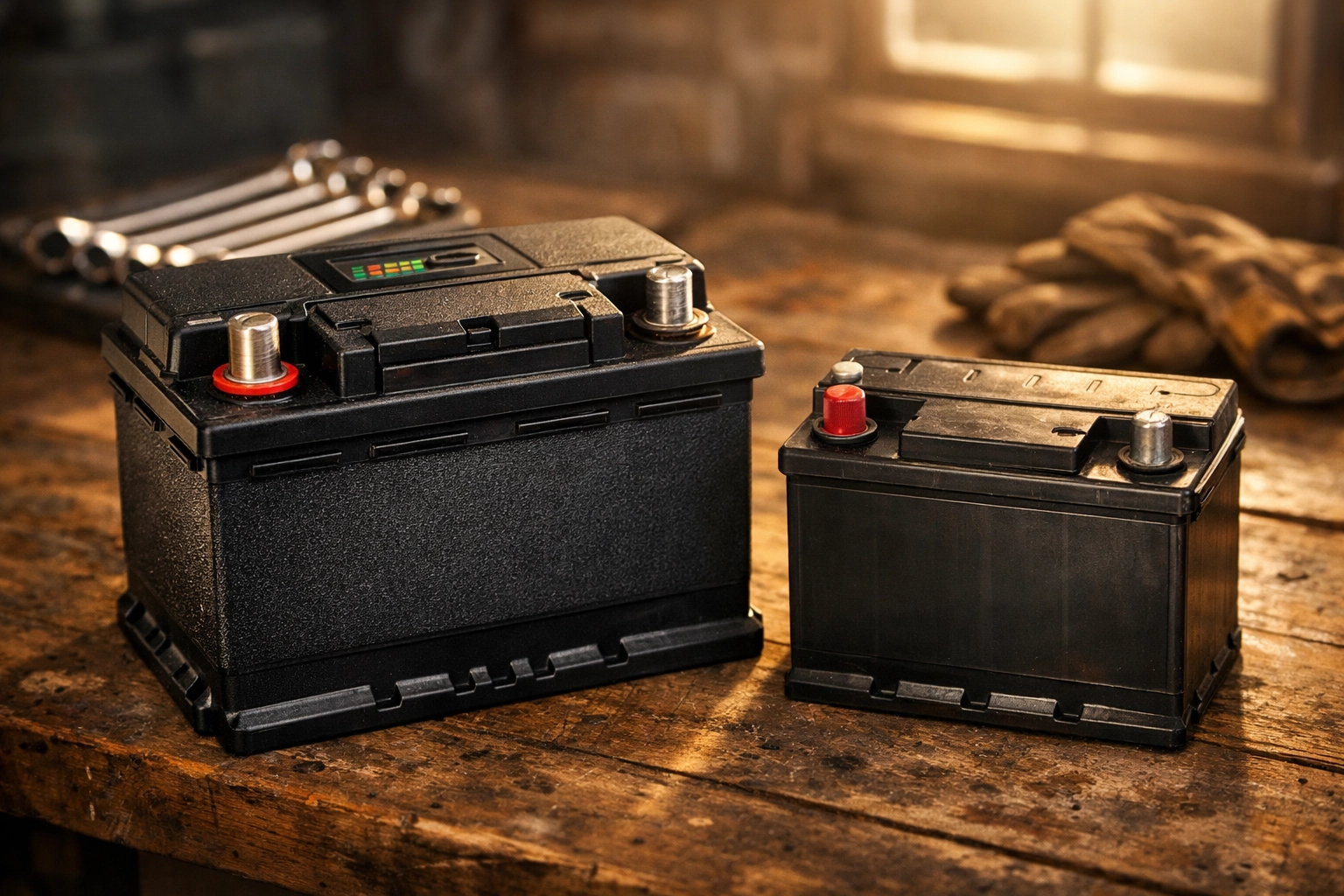
First, there is the Group Size. This refers to the physical dimensions of the battery and the placement of the terminals. If the group size is wrong, the battery might be too tall (hitting the hood) or too wide (not fitting in the tray).
Second, there is the CCA (Cold Cranking Amps) rating. In Parry Sound, where our winters can be brutal, having a high CCA is vital. If you buy a battery rated for Florida weather, your car won’t stand a chance in an Ontario February.
Finally, there is the Chemistry. Modern cars often require AGM (Absorbent Glass Mat) batteries instead of traditional flooded lead-acid batteries. If your car’s charging system is designed for an AGM battery and you put in a cheaper flooded one, you’ll likely kill that new battery in record time.
How to fix it: Always check your owner’s manual or use a fitment guide. If you aren’t sure, feel free to contact us and we can look up exactly what your vehicle needs.
2. Neglecting to Clean the Terminals
You bought the perfect battery. You’re ready to install it. But when you pull the old cables off, they are covered in that fuzzy white or blue powder. That’s corrosion, and it’s the enemy of electrical flow.
Many DIYers just shove the new battery in and bolt the dirty terminals back on. This is a huge mistake. Corrosion creates resistance. This means your alternator has to work harder to charge the battery, and your starter doesn’t get the full “oomph” it needs to turn the engine over. It can lead to common electrical issues that make you think your new battery is defective.
How to fix it: Before the new battery goes in, clean those cable ends. A mixture of baking soda and water with an old toothbrush works wonders to neutralize the acid. Use a dedicated battery terminal brush to get the metal shiny again. A little bit of battery terminal protectant spray afterward will help keep the “fuzz” from coming back.
3. Ignoring the Battery Hold-Down
Inside that plastic battery case are lead plates suspended in liquid or gel. These plates are surprisingly fragile. If your battery isn’t secured tightly, every bump on the roads around Parry Sound causes the battery to bounce and vibrate.
Vibration is a battery killer. It causes the internal components to shake loose or short out, leading to premature failure. We often see cars come into Road Runner Automotive with batteries just sitting loosely in the engine bay because the owner lost the bolt or couldn’t be bothered to tighten the bracket.
How to fix it: Never skip the hold-down bracket. If yours is rusted or broken, buy a replacement. It should be snug enough that you can’t move the battery with your hand, but don’t crank it down so hard that you crack the plastic casing.
4. Forgetting to “Register” the Battery
This is the big one for modern vehicles (especially European brands like BMW, Audi, or even newer Fords and GMs). These cars have an Intelligent Battery Sensor (IBS).
As a battery ages, the car’s computer changes the way it charges the battery to compensate for wear. If you install a brand-new battery but don’t tell the computer, it will continue to charge the new battery as if it were an old, dying one. This “overcharging” can cook your brand-new battery in months and can even damage other sensitive electronics.
How to fix it: This usually requires a specialized scan tool. If you’re a local driver looking for a mechanic near me, we can handle the battery registration process for you to ensure your car knows it has a fresh start.

5. Messing Up the Safety Precautions (The Spark Factor)
Lead-acid batteries contain: you guessed it: acid. They also produce hydrogen gas, which is highly flammable. A single spark at the wrong moment can cause a battery to explode.
The most common mistake is the order in which the cables are removed. If you try to remove the positive (red) cable first and your wrench touches any metal part of the car (which is “grounded”), you will create a massive short circuit. It’s loud, it’s scary, and it can fry your car’s main computer (ECU).
How to fix it: Always follow the “Negative First, Negative Last” rule.
- Disconnect the Black (Negative/Minus) cable first.
- Disconnect the Red (Positive/Plus) cable second.
- When installing the new one, connect the Red (Positive) first.
- Connect the Black (Negative) last.
This sequence ensures that the circuit is broken before you spend time working near the positive terminal.
6. Not Checking the Alternator
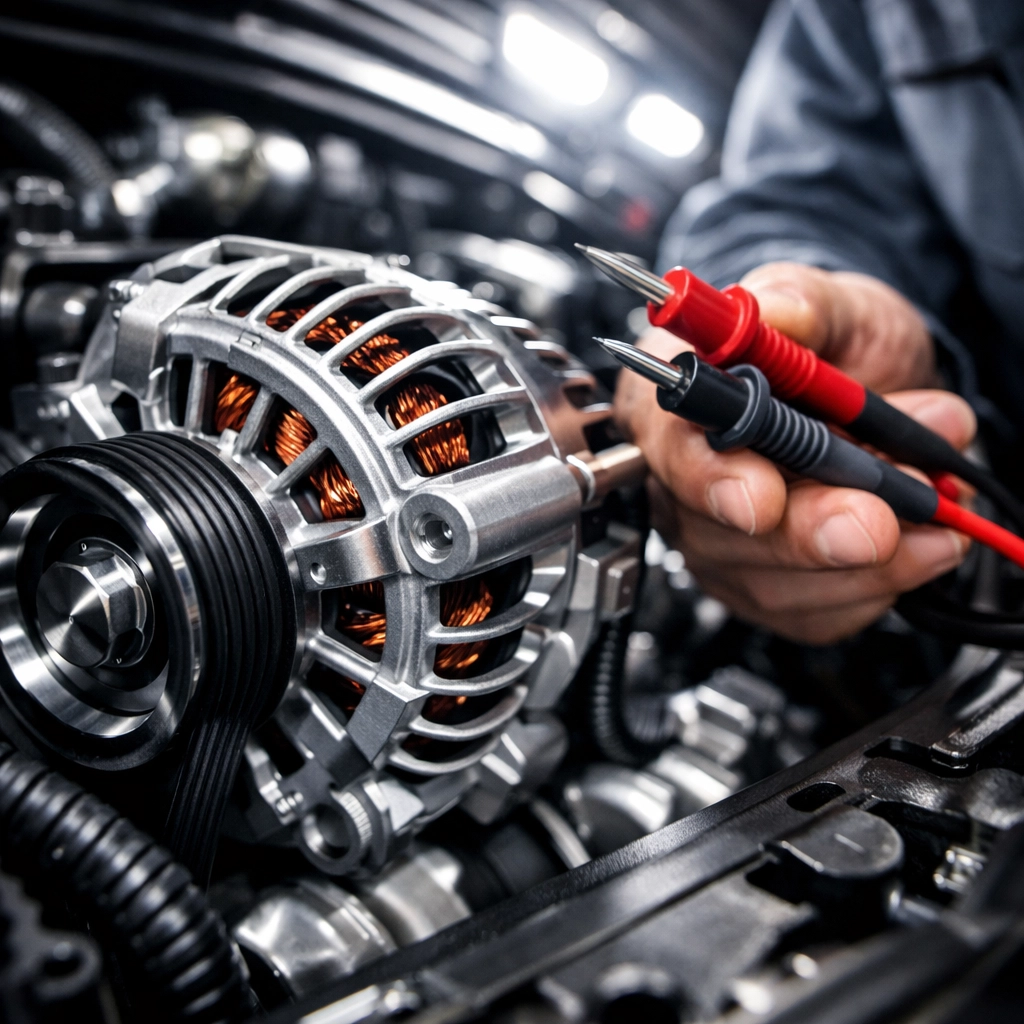
Sometimes, a dead battery is just a symptom, not the disease. Your battery’s job is to start the car, but the alternator’s job is to keep the battery charged and run the electronics while you drive.
If your alternator is failing, it won’t matter how many new batteries you buy; they will all go flat within a few days of driving. Replacing the battery without testing the charging system is like buying a new bucket to catch a leak without fixing the hole in the roof.
How to fix it: Before you toss the old battery, have the charging system tested. At Road Runner Automotive, we include a charging system check with our auto repair services to make sure you aren’t just throwing money at a symptom. Knowing the early signs that your car needs repairs can save you a lot of headache down the road.
7. Discarding the Old Battery Improperly
A car battery is full of lead and sulfuric acid. It is considered hazardous waste. Tossing it in your regular trash or leaving it in a ditch is not only bad for our beautiful Parry Sound environment, but it’s also illegal.
Furthermore, you’re literally throwing away money. When you buy a new battery, you are usually charged a “core charge” (often $15 to $30). You only get that money back when you return the old battery to the seller.
How to fix it: Take your old battery back to where you bought the new one to get your core deposit back. Most shops and recycling centers will take them for free because the lead inside is highly recyclable.
Why Quality Maintenance Matters in Parry Sound
Living in a place with a diverse climate means our vehicles take a beating. From the humidity of summer to the freezing salt-heavy slush of winter, every component of your car has to work harder. Keeping your battery in top shape is a critical part of general car maintenance.
A battery failure at home is an inconvenience. A battery failure while you’re out on a trail or heading to a remote job site can be a safety risk. By avoiding these seven mistakes, you’re ensuring that your vehicle remains reliable no matter where the road takes you.
Trust the Pros at Road Runner Automotive
We get it: auto repairs can be stressful. Our goal at Road Runner Automotive is to provide honest, transparent service to our community. Whether you need a simple battery test, a complex electrical diagnosis, or even regular brake inspections, we are here to help.
Don’t let a “simple” battery swap turn into a multi-thousand-dollar electrical repair. If you aren’t comfortable doing it yourself, or if your car requires specialized registration, give us a call. We’ll get you powered up and back on the road safely.
Ready for a check-up? Visit our service page to see how we can keep your vehicle running at its best!
